


In the Ebre valley, most agricultural soils exhibit high pH levels and high concentrations of calcium and phosphorus. This combination generates a problem with the availability of these two essential nutrients for fruit trees. Why does this “lock-up” phenomenon occur, and how can we combat it effectively and technically?
Why do calcium and phosphorus get locked up?
When the soil pH is high (alkaline), phosphorus tends to react with calcium, forming insoluble compounds, such as calcium phosphates, which the plant cannot absorb. At the same time, calcium, despite being present in large quantities, is fixed to the carbonates and bicarbonates of the soil so that it is found in an insoluble form, unavailable to the plant. This creates a paradoxical situation: the soils are rich in nutrients, but the plants suffer deficiencies.
The importance of post-harvest fertilization
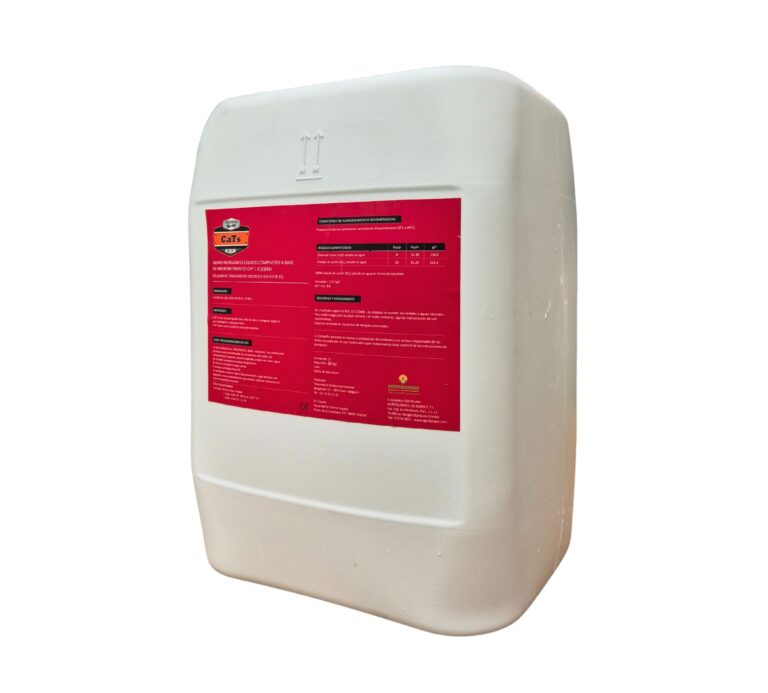
Both calcium and phosphorus are slow-mobility nutrients, both in the soil and inside the plant. Therefore, post-harvest fertilization in October with CaTs® is highly recommended. At this time, the plant still maintains root activity and can absorb and accumulate reserves for the next season. This favors better development of flowering and fruit set. Supplying assimilable sources of calcium and phosphorus during this time allows for:
- Improving the plants’ nutritional status by increasing reserves.
- Boosting the resistance of the wood and roots.
- Ensuring a better physiological response in spring.
Phosphorus solubilizing microorganisms: a biological ally
The use of phosphorus solubilizing microorganisms is a key tool to break this natural chemical lock-up. These microorganisms: release phosphorus immobilized in the soil, reduce the bonding of phosphorus with calcium, making it more available to the plant, and improve the soil’s biological activity and structure.
Two of the most effective solutions are:
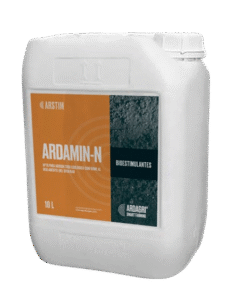
- Ardamin-N: is a natural product rich in amino acids derived from the fermentation of plant matter.
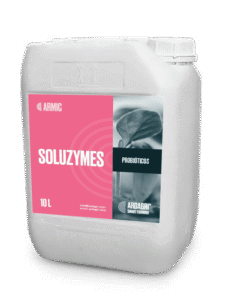
- Soluzymes: is a liquid suspension obtained from the process of microbial fermentation.
In practice, this combination of post-harvest fertilization + soil microbiology can make a difference in the nutritional efficiency of fruit trees and the profitability of the following season.
At Agroborges, we work every day to improve the efficiency of fertilization programs adapted to the real conditions of our farmers. The soils of the Ebre valley have potential, but also limitations that can only be overcome with well-planned technical strategies and quality biological products. If you would like to receive an analysis of your soil along with advice from our technical team, do not hesitate to contact us.
